

EYEVAN
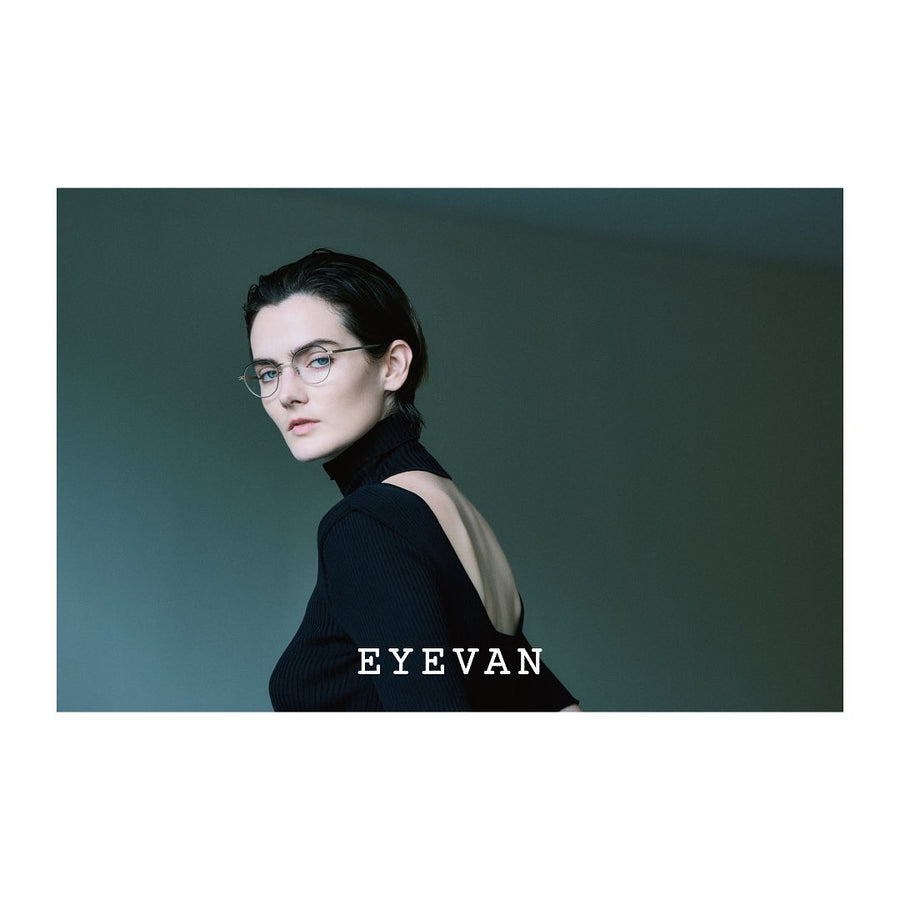
EYEVAN glasses were born in Japan in 1972 with an idea that was new at the time: eyewear as something to dress in, "eyewear for dressing as a fashion item". In 1985 the brand made its international debut. Today EYEVAN is a family of lines, each with its own project.
OCCHIO! · Guided selection
Find your frame in 60 seconds
Five questions, three frames picked for you from 40+ designers. No sign-up needed.
Start the quiz


Compare up to three frames with “Add to comparison”. Take the quiz
-
 Regular price €413,00Sale price €413,00 Regular priceUnit price per
 -
 Regular price €490,00Sale price €490,00 Regular priceUnit price per
 -
 Regular price €390,00Sale price €390,00 Regular priceUnit price per
€550,00 -
 Regular price €530,00Sale price €530,00 Regular priceUnit price per
 -
 Regular price €250,00Sale price €250,00 Regular priceUnit price per
€390,00 -
 Regular price €460,00Sale price €460,00 Regular priceUnit price per
 -
 Regular price €460,00Sale price €460,00 Regular priceUnit price per
 -
 Regular price €460,00Sale price €460,00 Regular priceUnit price per
 -
 Regular price €300,00Sale price €300,00 Regular priceUnit price per
 -
 Regular price €300,00Sale price €300,00 Regular priceUnit price per
 -
 Sold outRegular price €380,00Sale price €380,00 Regular priceUnit price per
€380,00 -
 Sold outRegular price €543,00Sale price €543,00 Regular priceUnit price per
€543,00 -
 Sold outRegular price €430,00Sale price €430,00 Regular priceUnit price per
 -
 Sold outRegular price €415,00Sale price €415,00 Regular priceUnit price per
 -
 Sold outRegular price €545,00Sale price €545,00 Regular priceUnit price per
 -
 Sold outRegular price €640,00Sale price €640,00 Regular priceUnit price per
 -
 Sold outRegular price €640,00Sale price €640,00 Regular priceUnit price per
 -
 Sold outRegular price €455,00Sale price €455,00 Regular priceUnit price per
€455,00 -
 Sold outRegular price €380,00Sale price €380,00 Regular priceUnit price per
€380,00 -
 Sold outRegular price €415,00Sale price €415,00 Regular priceUnit price per




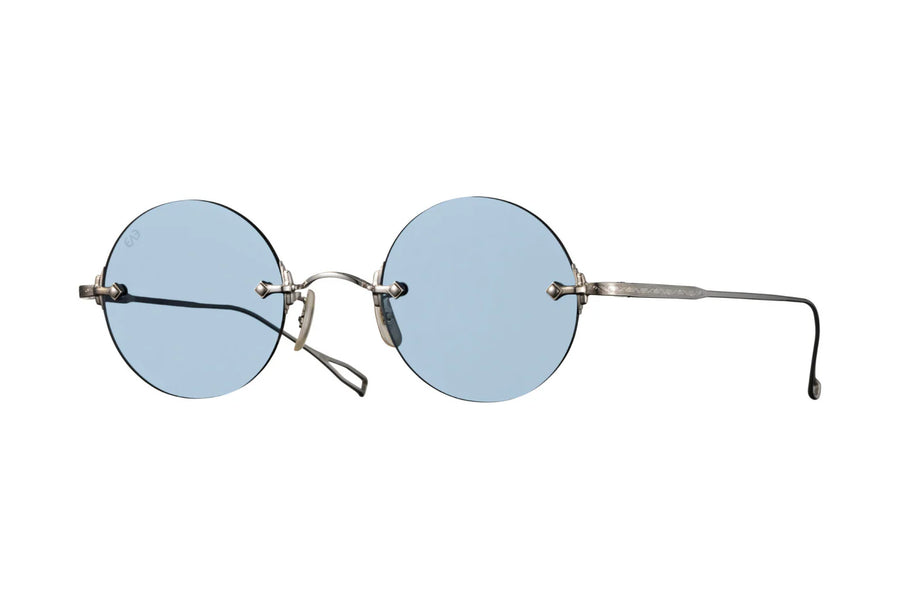

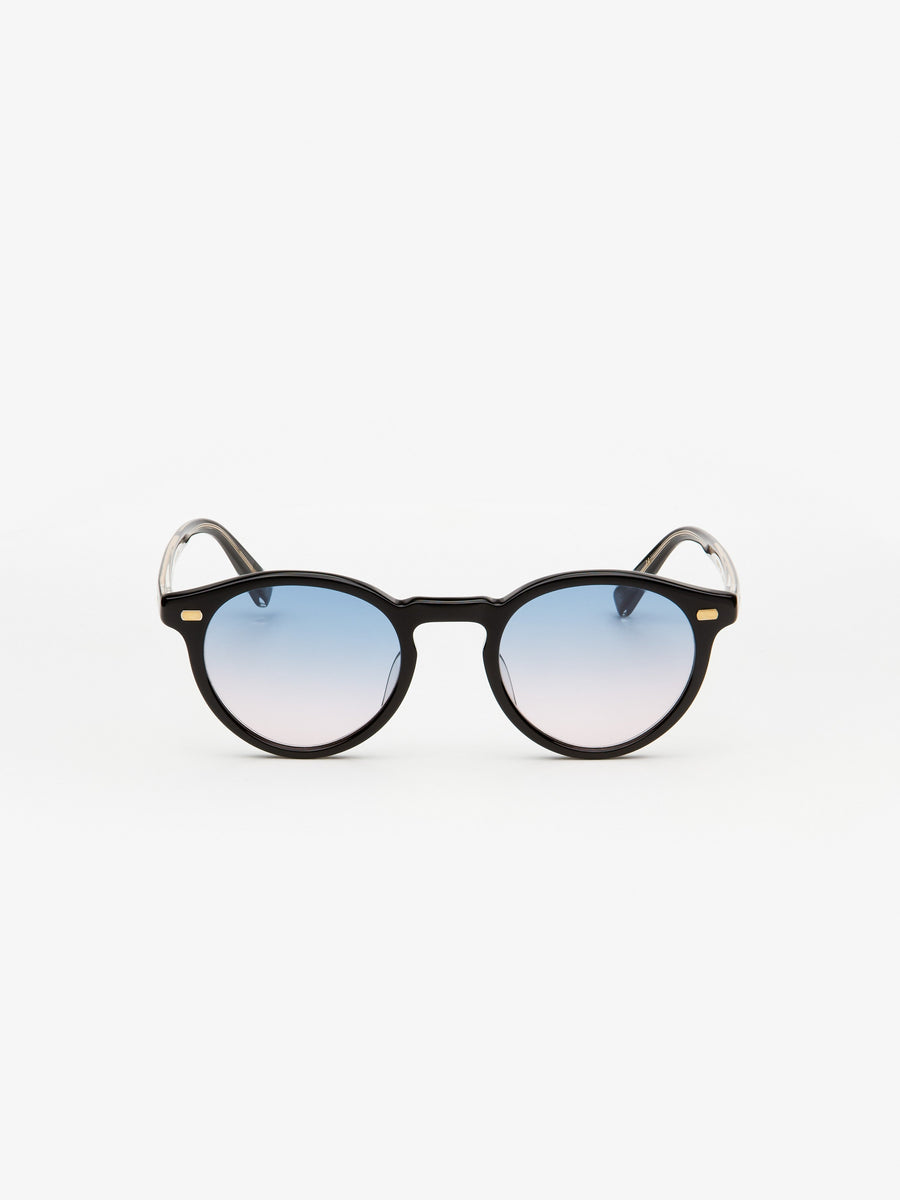

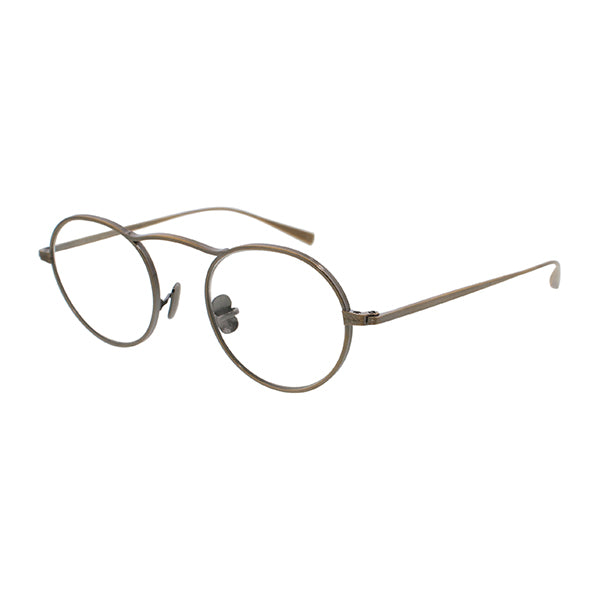

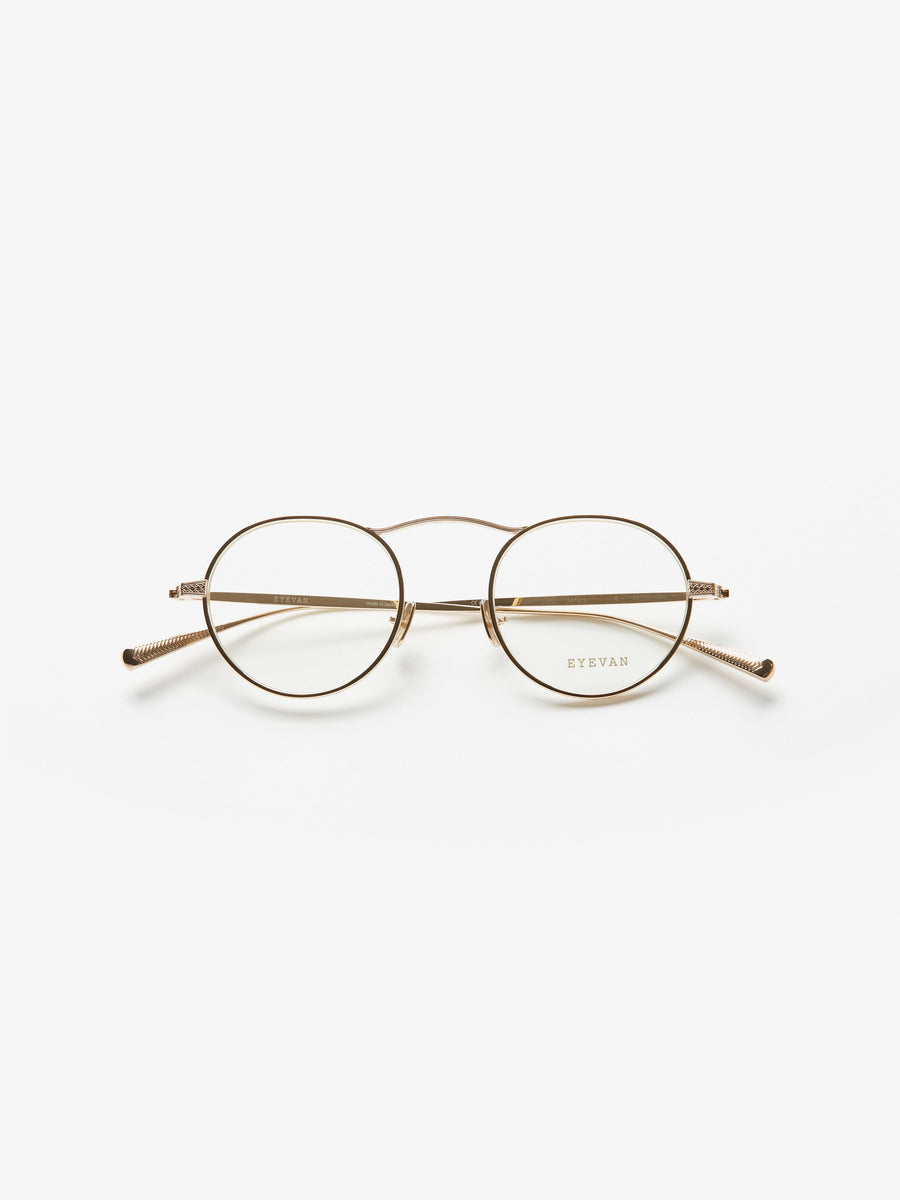





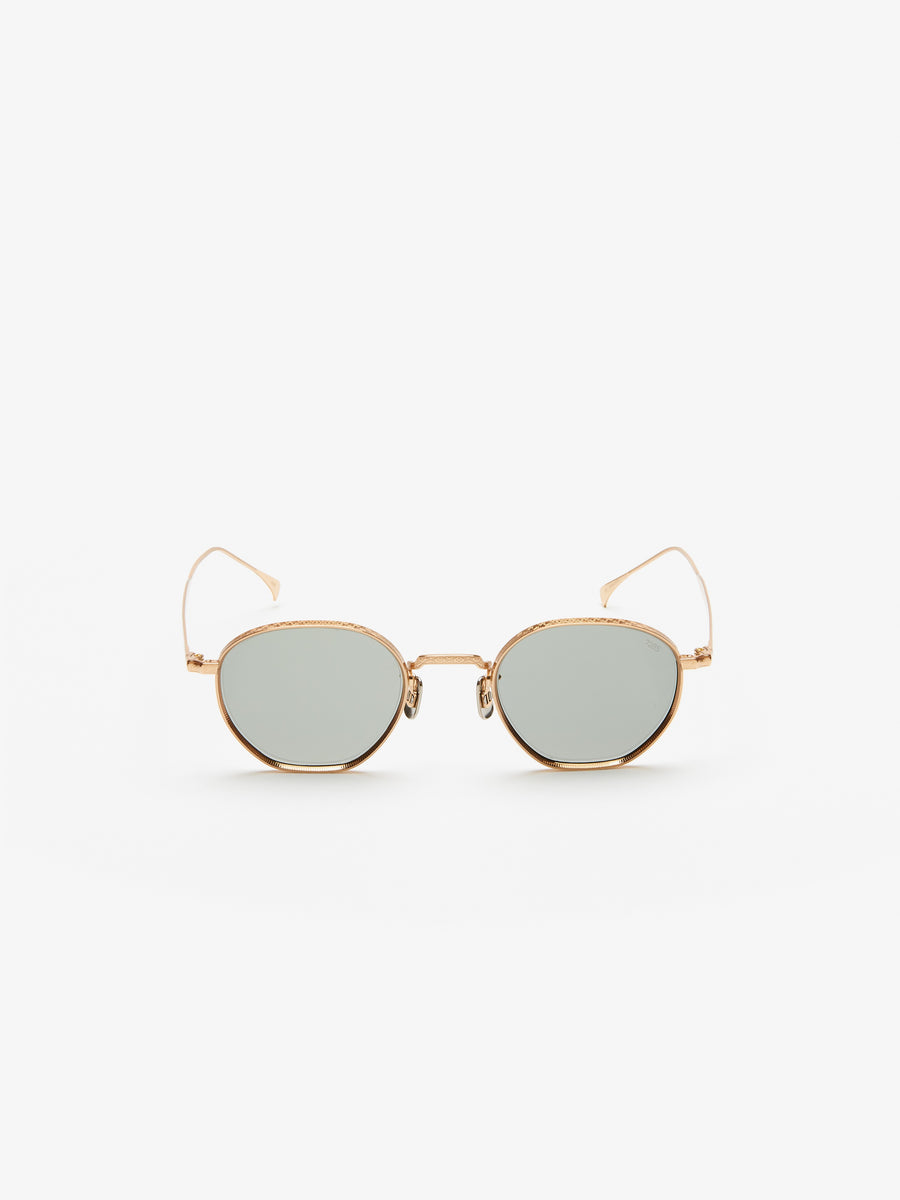

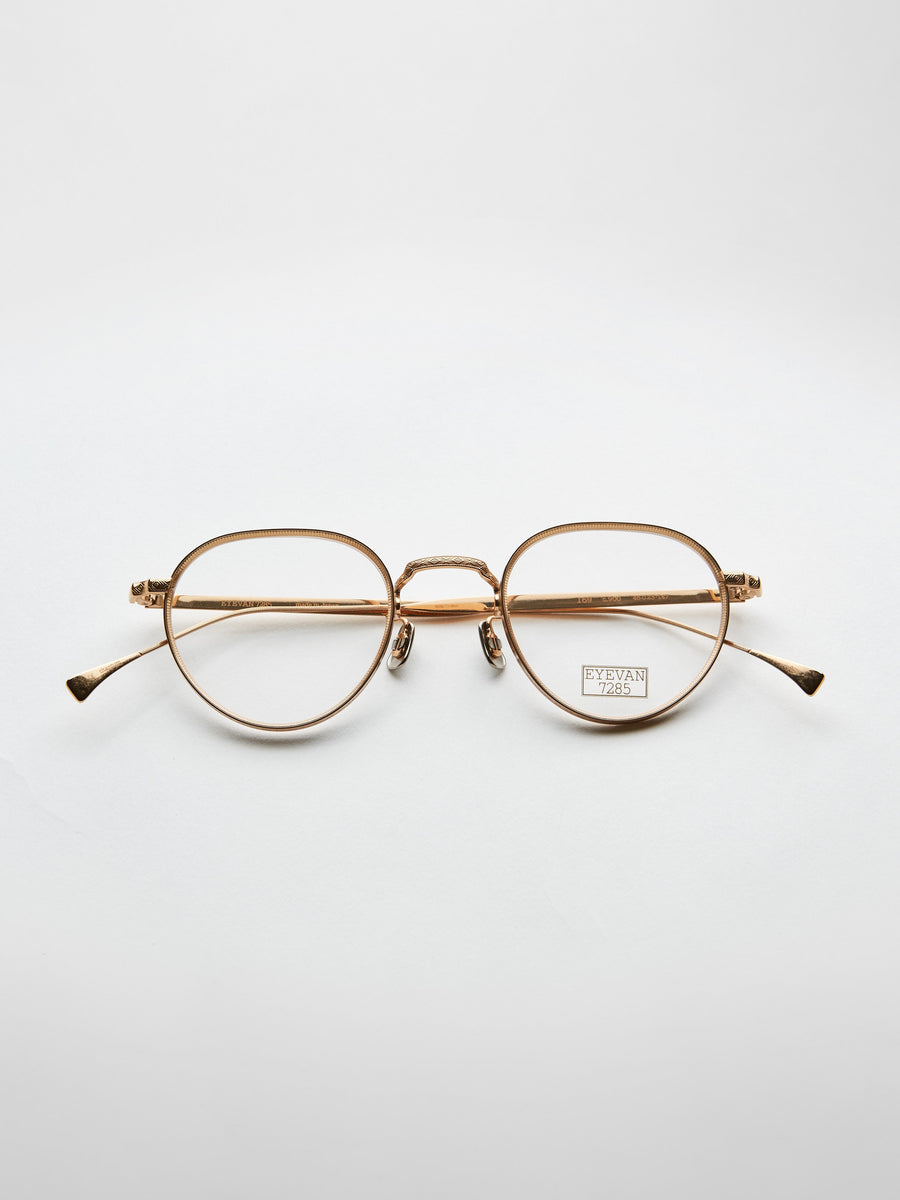

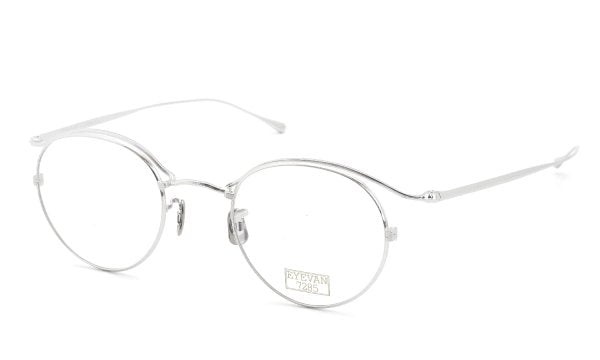

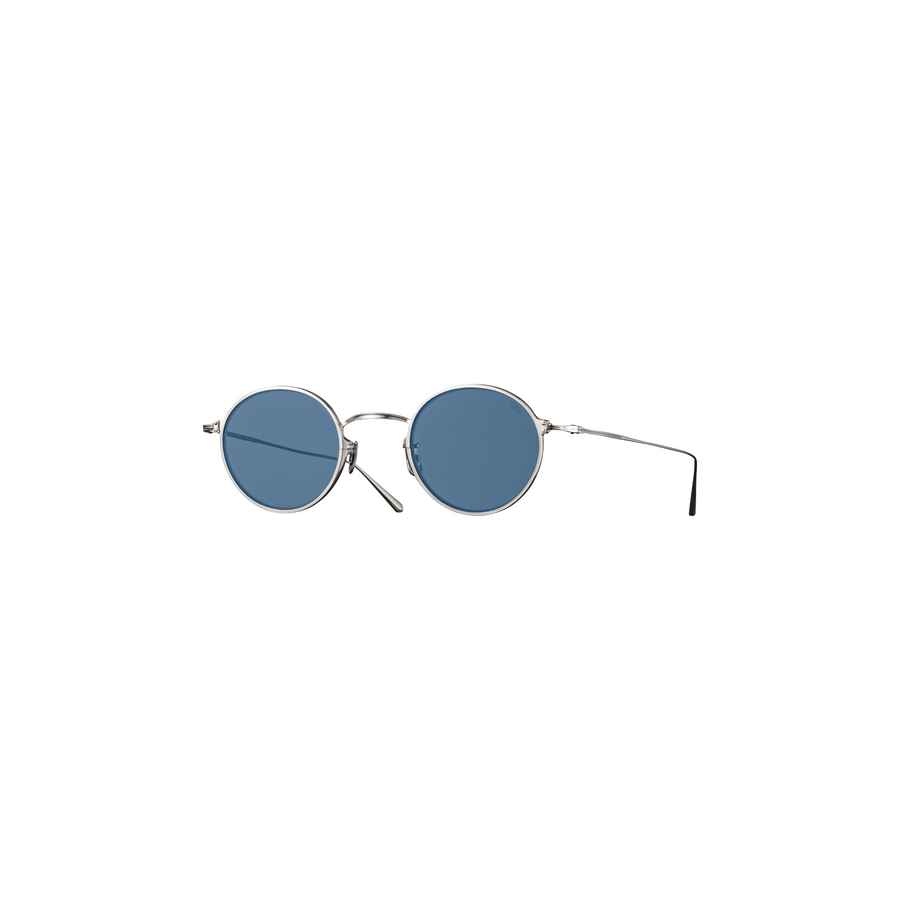

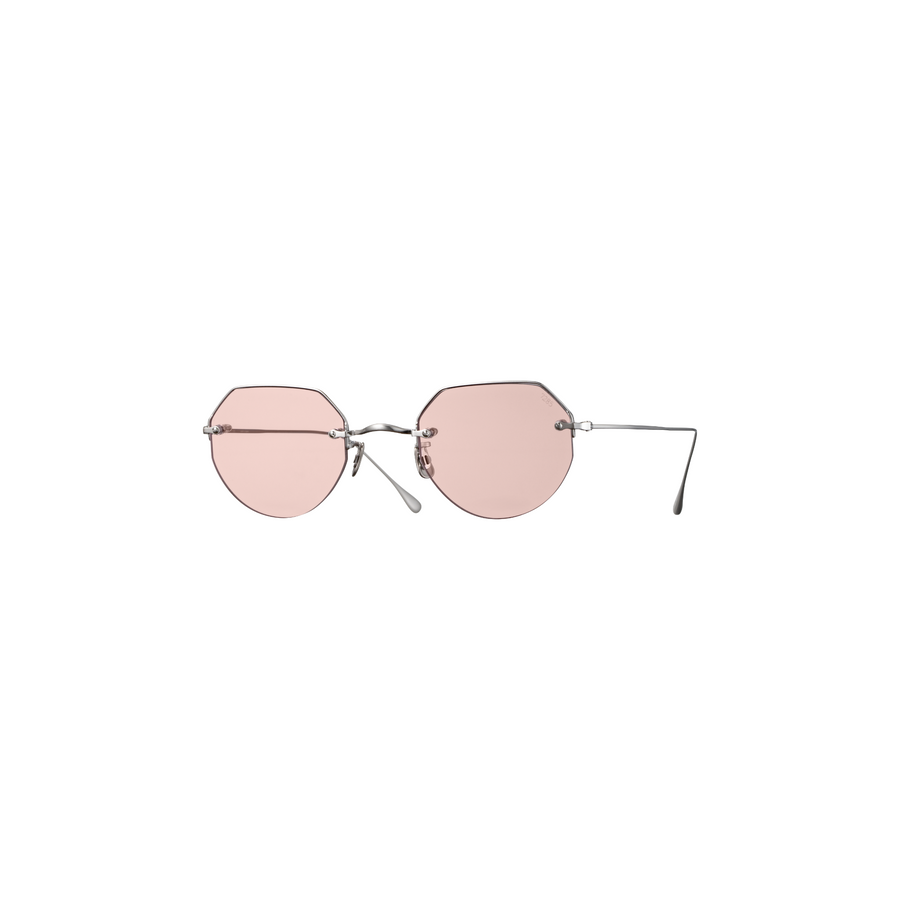

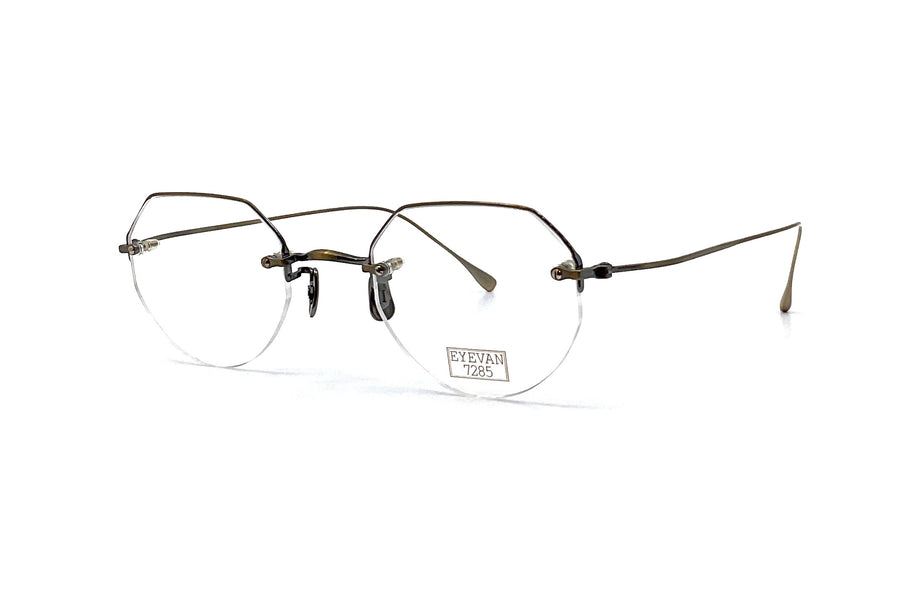

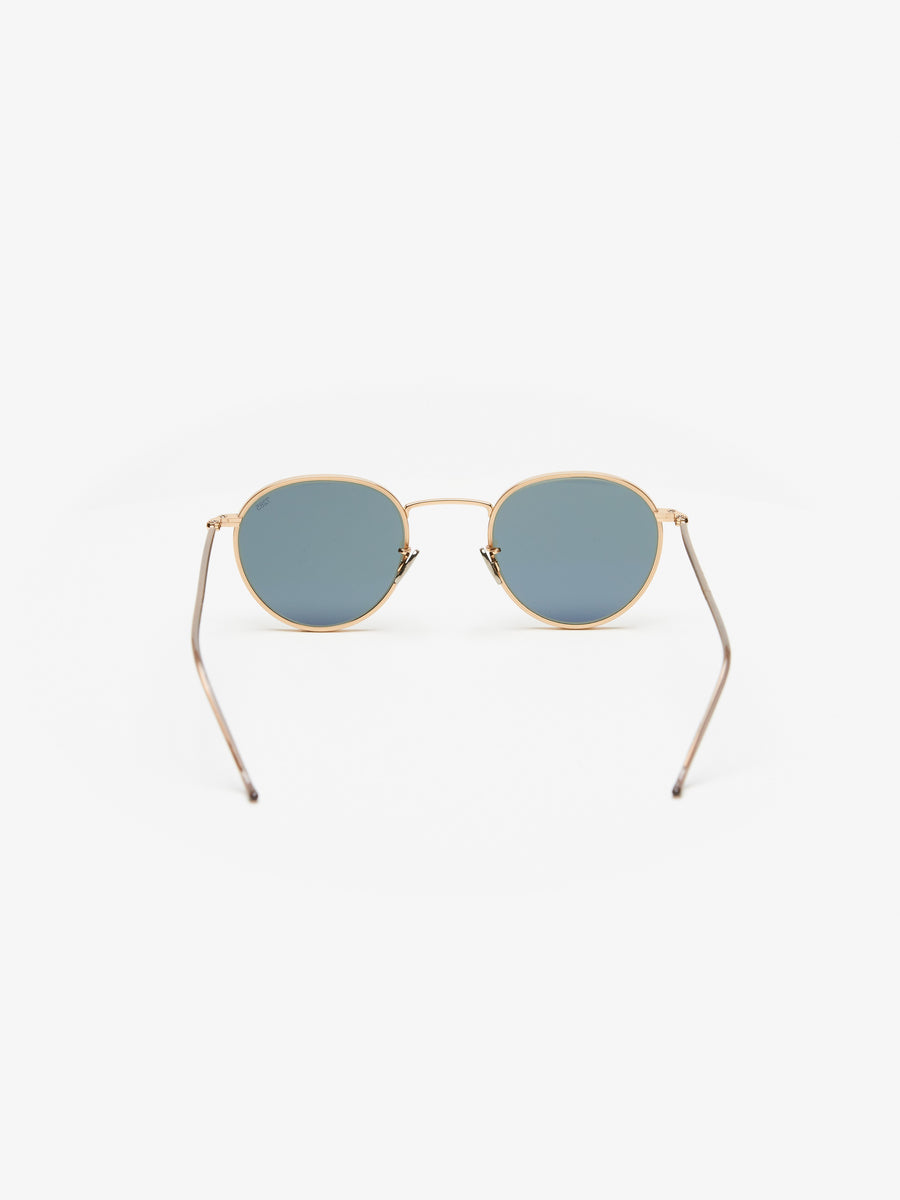

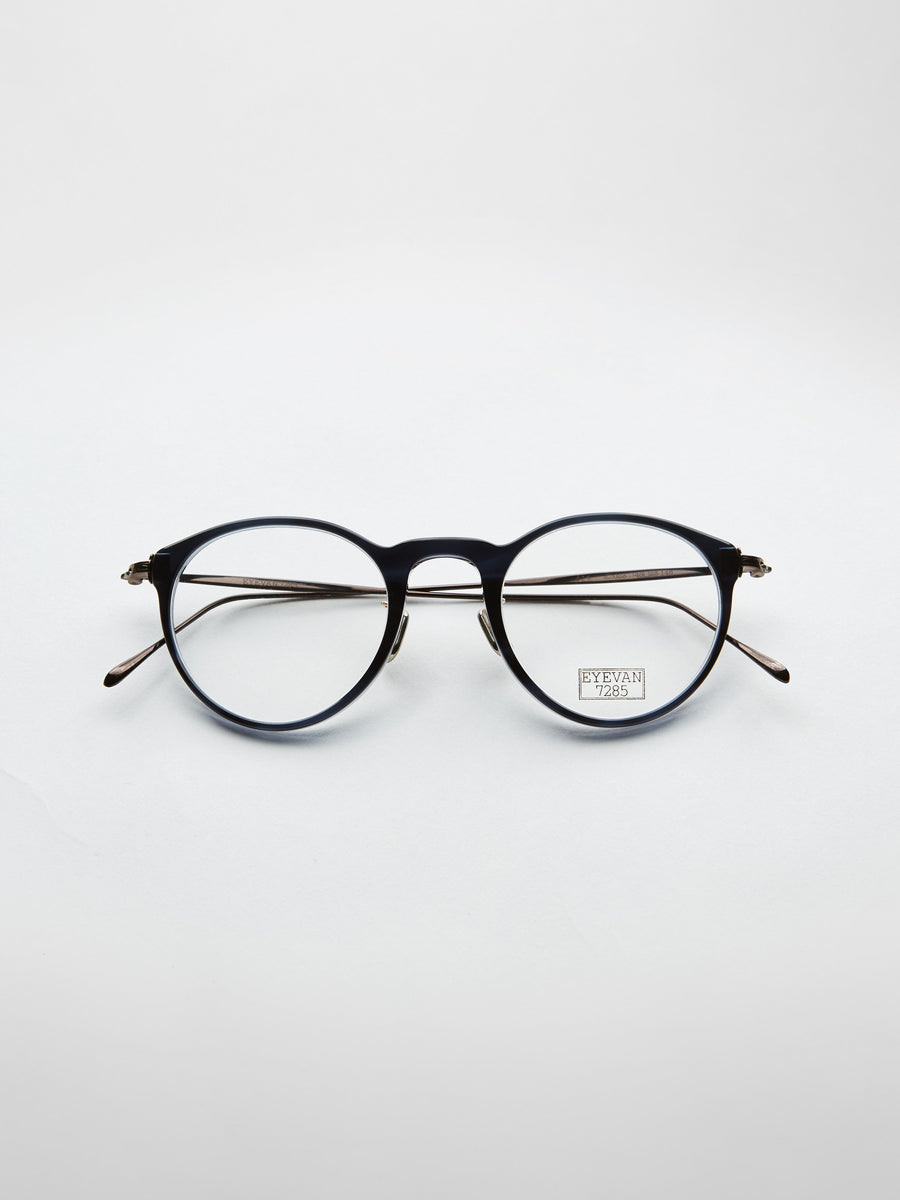

About EYEVAN
History and workshop
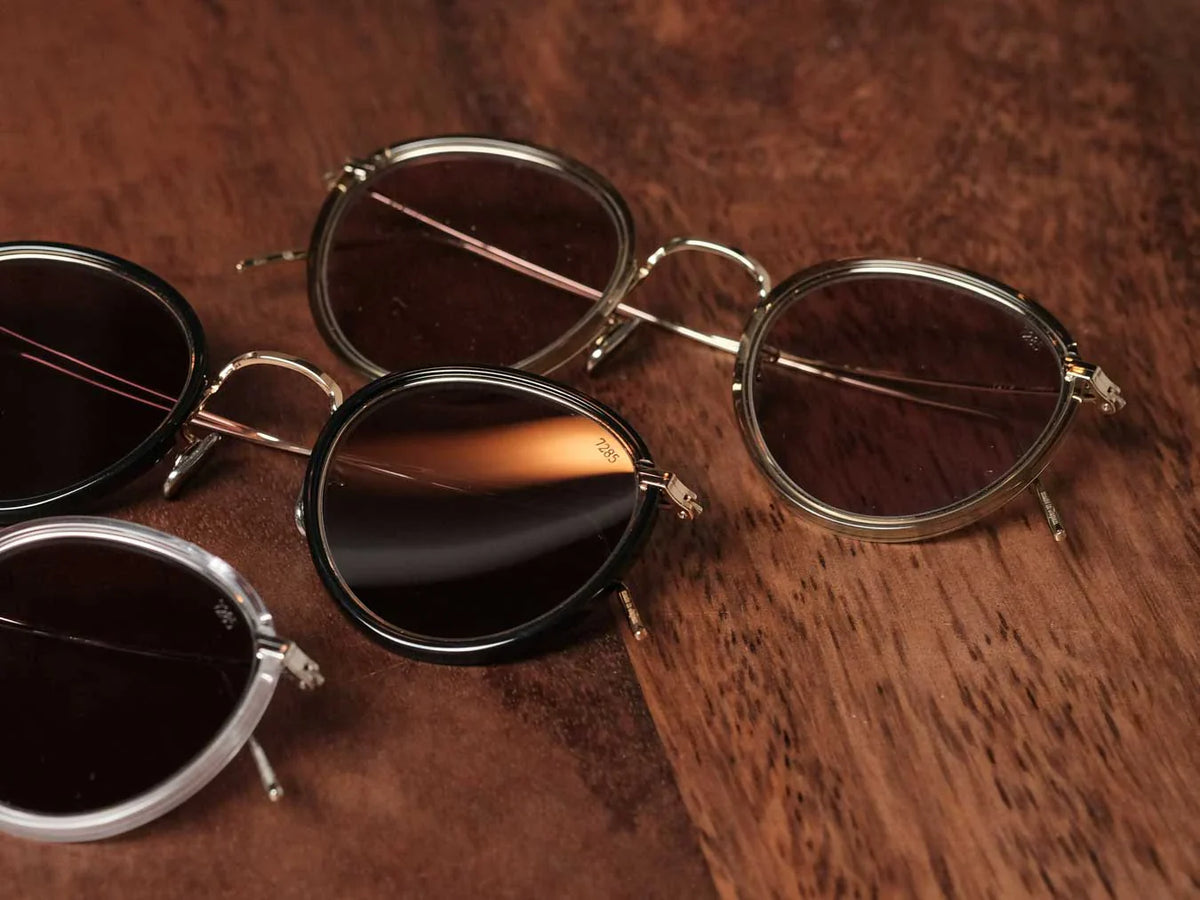
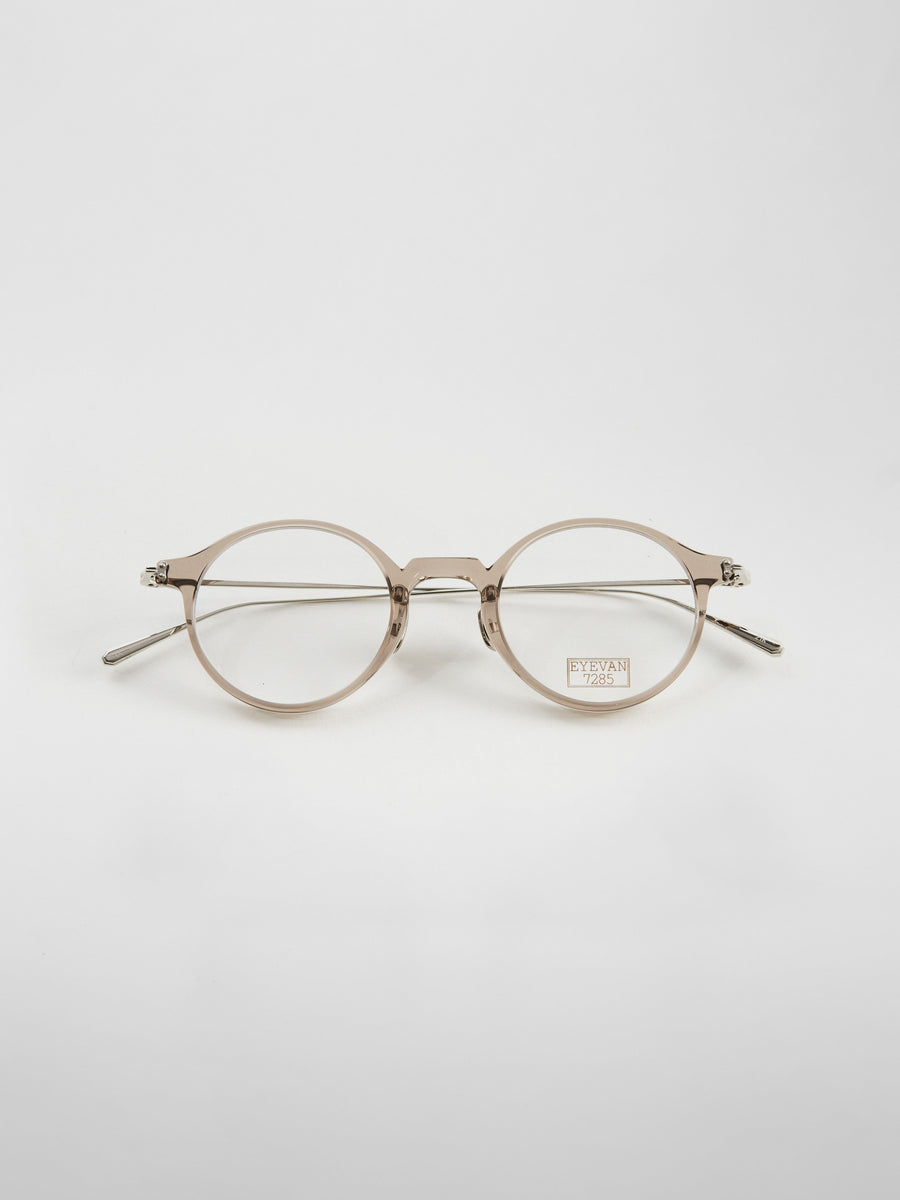
In 2013, some forty years after the brand was born, a new design team rebuilt EYEVAN 7285 from the house archives. The stated sources are the EYEVAN archives, vintage eyewear, telescopes, hand mirrors, old tools, building structures and natural forms: a temple can come from 1940s French cutlery, a metal frame from 1970s eye-testing equipment. Each pair goes through about 400 processes, combining hand work and state-of-the-art machine tools, in Sabae, Fukui prefecture, the district that makes more eyewear than anywhere else in the world. To find your way among Japanese brands: Japanese glasses: why they're different and which to choose.
Lines and models
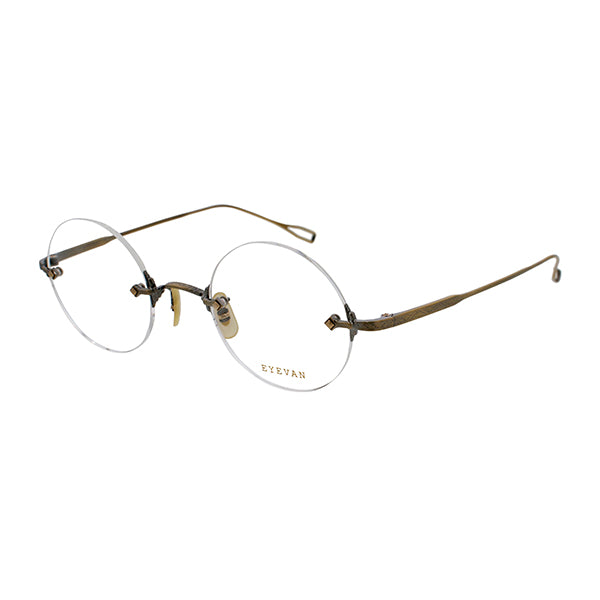
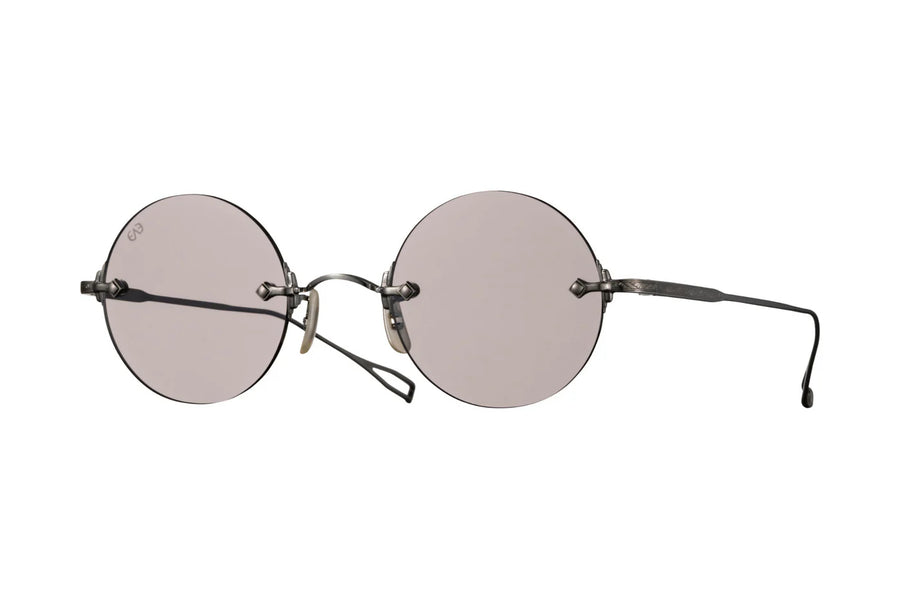
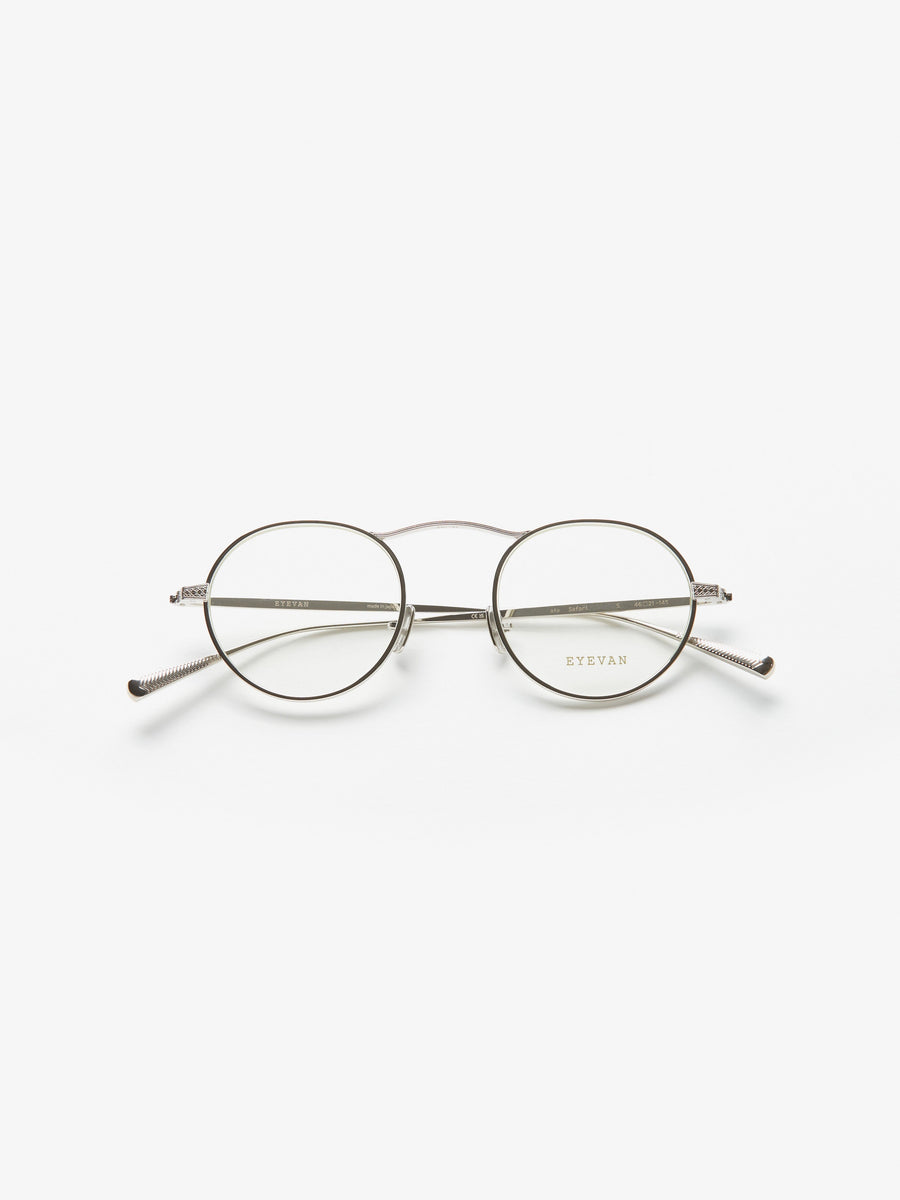
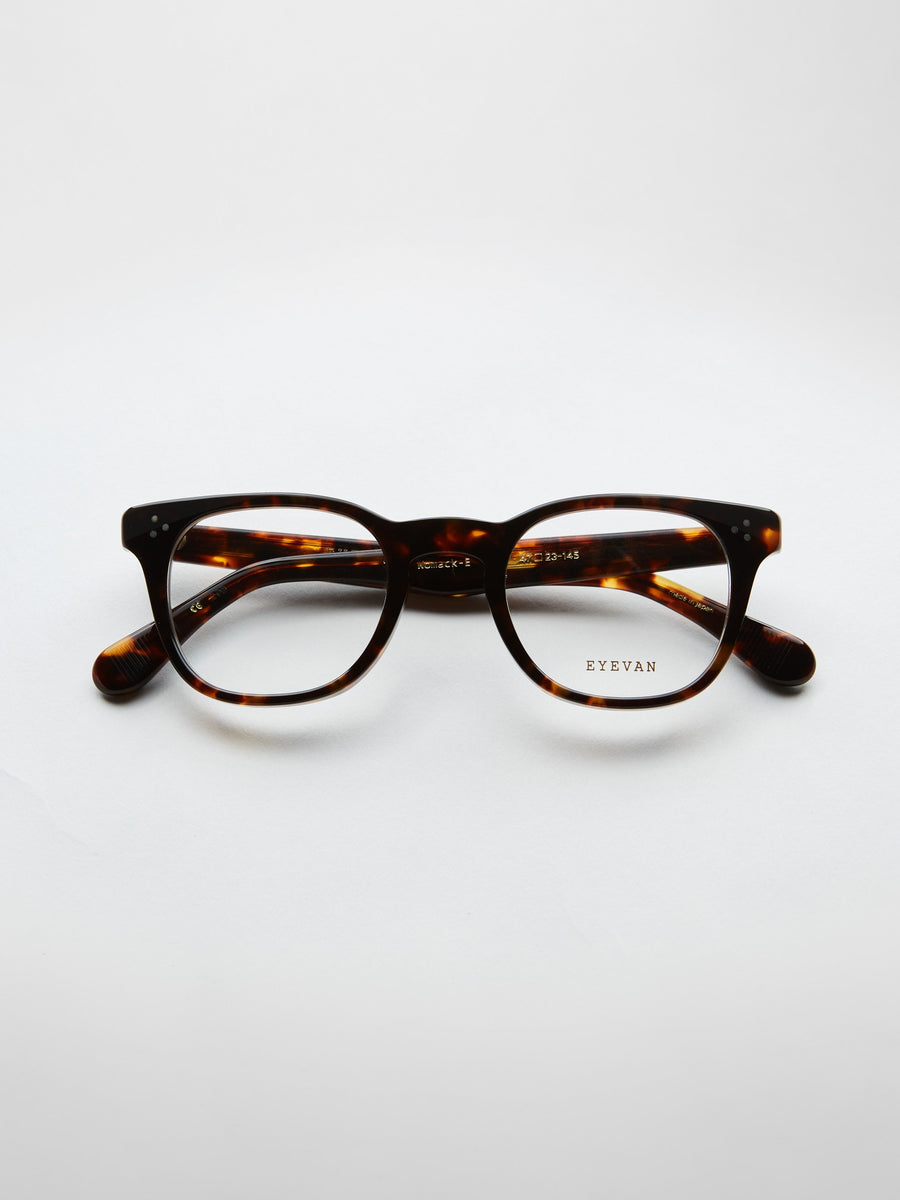
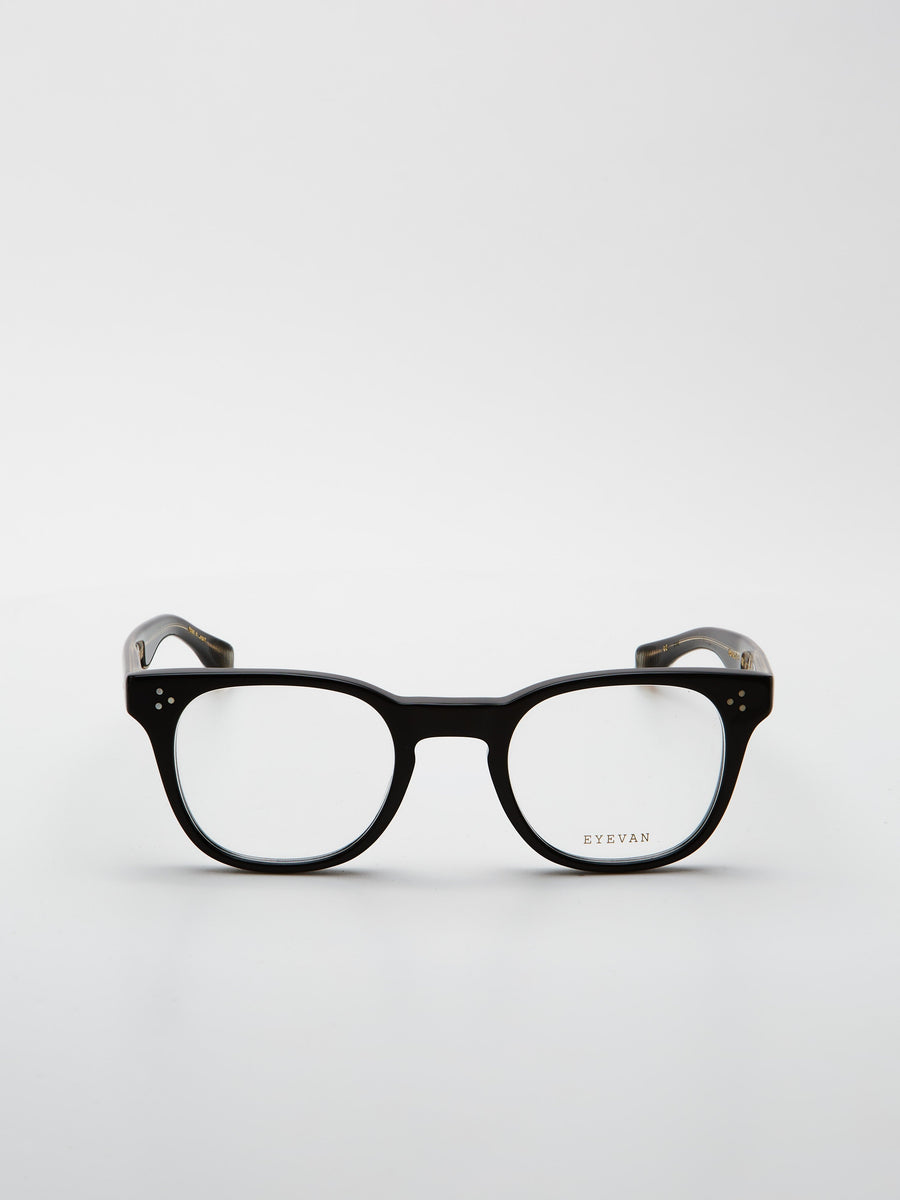
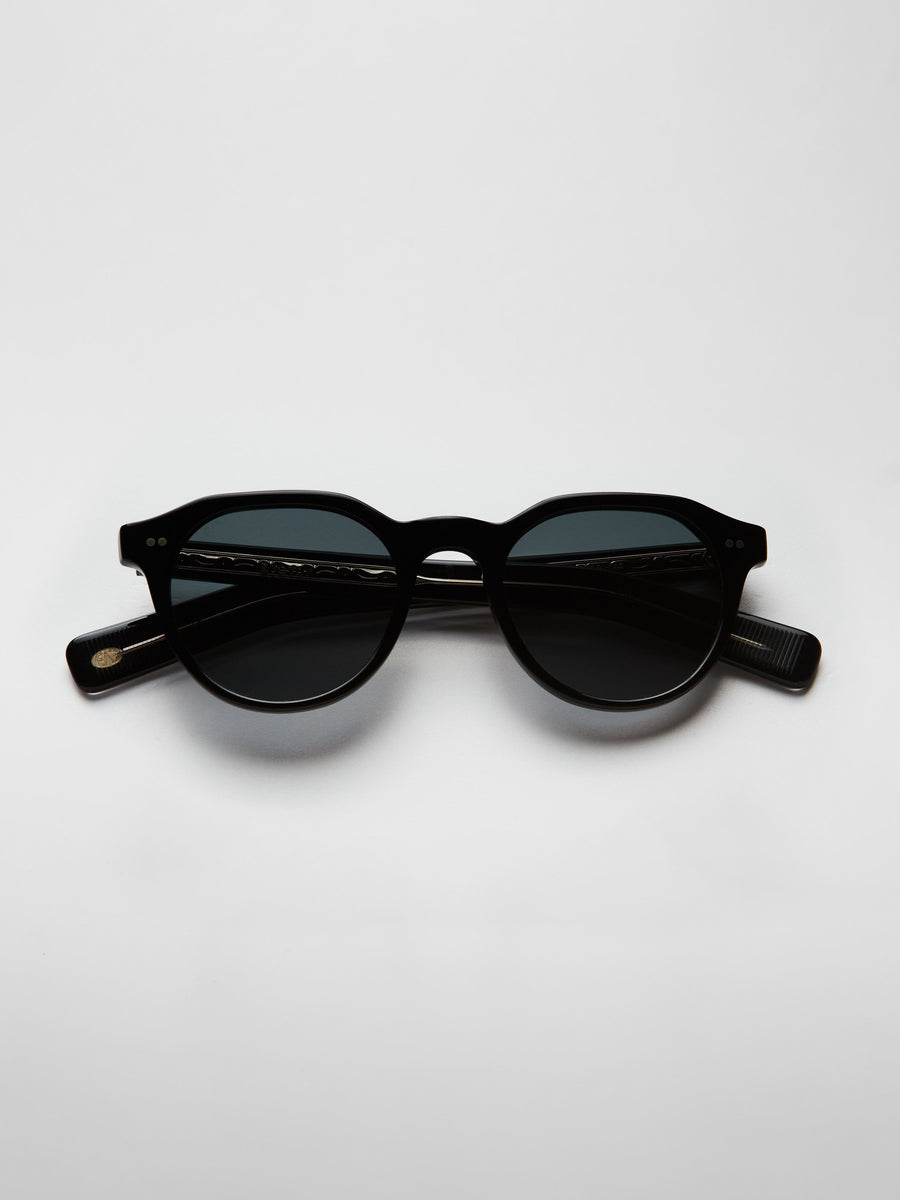
The OCCHIO! selection holds four lines. EYEVAN, the main line: Webb, Cadet, Marsalis, Puerto, Mathsson, Marshal, Orbit, Safari, Womack, Lubin, Mason, Thompson, Eldridge and the folding 803. EYEVAN 7285: among others the models 180, 185, 186, 189, 190, 372E, 414, 419, 1015, 1018 and 1196-2. 10 eyevan, optical frames built on ten special components following the idea "The beautiful tool is the fruits of fine parts": No.8 V and No.9. E5 eyevan, launched in 2021 around function: L-shaped temples that are easy to adjust, tungsten end tips, fronts cut from a single metal sheet in the metal series and high-density acetate in the plastic series; in store M14, M15, P14 and P20. Everything is split between optical frames and sunglasses.
How to choose
Almost the whole selection sits between 43 and 50 mm lens width, with bridges from 21 to 25: proportioned sizes, never oversized. The smallest are the 7285 186 (43/23) and 419 (44/22); 185, 189 and Safari are 46; Puerto, Womack and Marshal 47; the 190 is 48/21. The widest is the 7285 1196-2 sunglass, 54/22. In E5 eyevan the M14 is the narrowest (45/22), the P20 the widest (49/21).
EYEVAN: frequently asked questions
What is the difference between EYEVAN, EYEVAN 7285, 10 eyevan and E5 eyevan?
Same house, different lines: EYEVAN is the 1972 original; EYEVAN 7285 was rebuilt in 2013 from the archives; 10 eyevan is built on ten components; E5 eyevan, from 2021, starts from function.
Where are EYEVAN glasses made?
In Japan. EYEVAN 7285 is made in Sabae, Fukui prefecture, through about 400 processes.
What are they made of?
Metal and acetate. E5 eyevan uses sheet-metal fronts, high-density acetate and tungsten end tips.
Can prescription lenses be fitted?
Yes, at the OCCHIO! boutique in Crema or by your own optician.
Where can I try EYEVAN glasses?
At OCCHIO!, in Crema, 40 minutes from Milan and Bergamo, and online.
History and workshop
In 2013, some forty years after the brand was born, a new design team rebuilt EYEVAN 7285 from the house archives. The stated sources are the EYEVAN archives, vintage eyewear, telescopes, hand mirrors, old tools, building structures and natural forms: a temple can come from 1940s French cutlery, a metal frame from 1970s eye-testing equipment. Each pair goes through about 400 processes, combining hand work and state-of-the-art machine tools, in Sabae, Fukui prefecture, the district that makes more eyewear than anywhere else in the world. To find your way among Japanese brands: Japanese glasses: why they're different and which to choose.
Lines and models
The OCCHIO! selection holds four lines. EYEVAN, the main line: Webb, Cadet, Marsalis, Puerto, Mathsson, Marshal, Orbit, Safari, Womack, Lubin, Mason, Thompson, Eldridge and the folding 803. EYEVAN 7285: among others the models 180, 185, 186, 189, 190, 372E, 414, 419, 1015, 1018 and 1196-2. 10 eyevan, optical frames built on ten special components following the idea "The beautiful tool is the fruits of fine parts": No.8 V and No.9. E5 eyevan, launched in 2021 around function: L-shaped temples that are easy to adjust, tungsten end tips, fronts cut from a single metal sheet in the metal series and high-density acetate in the plastic series; in store M14, M15, P14 and P20. Everything is split between optical frames and sunglasses.
How to choose
Almost the whole selection sits between 43 and 50 mm lens width, with bridges from 21 to 25: proportioned sizes, never oversized. The smallest are the 7285 186 (43/23) and 419 (44/22); 185, 189 and Safari are 46; Puerto, Womack and Marshal 47; the 190 is 48/21. The widest is the 7285 1196-2 sunglass, 54/22. In E5 eyevan the M14 is the narrowest (45/22), the P20 the widest (49/21).
From the Journal
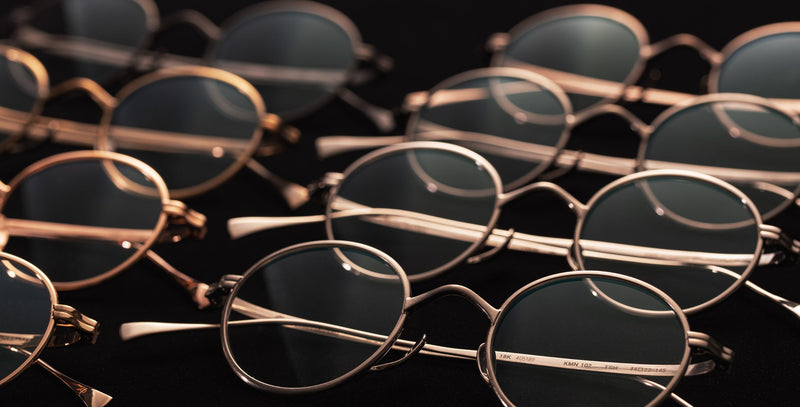
EYEVAN in Crema, Italy
A EYEVAN makes sense on the face.
OCCHIO! is in Crema, forty minutes from Milan and Bergamo. If you are travelling, write first: the frame will be waiting.
History and workshop
In 2013, some forty years after the brand was born, a new design team rebuilt EYEVAN 7285 from the house archives. The stated sources are the EYEVAN archives, vintage eyewear, telescopes, hand mirrors, old tools, building structures and natural forms: a temple can come from 1940s French cutlery, a metal frame from 1970s eye-testing equipment. Each pair goes through about 400 processes, combining hand work and state-of-the-art machine tools, in Sabae, Fukui prefecture, the district that makes more eyewear than anywhere else in the world. To find your way among Japanese brands: Japanese glasses: why they're different and which to choose.
Lines and models
The OCCHIO! selection holds four lines. EYEVAN, the main line: Webb, Cadet, Marsalis, Puerto, Mathsson, Marshal, Orbit, Safari, Womack, Lubin, Mason, Thompson, Eldridge and the folding 803. EYEVAN 7285: among others the models 180, 185, 186, 189, 190, 372E, 414, 419, 1015, 1018 and 1196-2. 10 eyevan, optical frames built on ten special components following the idea "The beautiful tool is the fruits of fine parts": No.8 V and No.9. E5 eyevan, launched in 2021 around function: L-shaped temples that are easy to adjust, tungsten end tips, fronts cut from a single metal sheet in the metal series and high-density acetate in the plastic series; in store M14, M15, P14 and P20. Everything is split between optical frames and sunglasses.
How to choose
Almost the whole selection sits between 43 and 50 mm lens width, with bridges from 21 to 25: proportioned sizes, never oversized. The smallest are the 7285 186 (43/23) and 419 (44/22); 185, 189 and Safari are 46; Puerto, Womack and Marshal 47; the 190 is 48/21. The widest is the 7285 1196-2 sunglass, 54/22. In E5 eyevan the M14 is the narrowest (45/22), the P20 the widest (49/21).
EYEVAN: frequently asked questions
What is the difference between EYEVAN, EYEVAN 7285, 10 eyevan and E5 eyevan?
Same house, different lines: EYEVAN is the 1972 original; EYEVAN 7285 was rebuilt in 2013 from the archives; 10 eyevan is built on ten components; E5 eyevan, from 2021, starts from function.
Where are EYEVAN glasses made?
In Japan. EYEVAN 7285 is made in Sabae, Fukui prefecture, through about 400 processes.
What are they made of?
Metal and acetate. E5 eyevan uses sheet-metal fronts, high-density acetate and tungsten end tips.
Can prescription lenses be fitted?
Yes, at the OCCHIO! boutique in Crema or by your own optician.
Where can I try EYEVAN glasses?
At OCCHIO!, in Crema, 40 minutes from Milan and Bergamo, and online.